
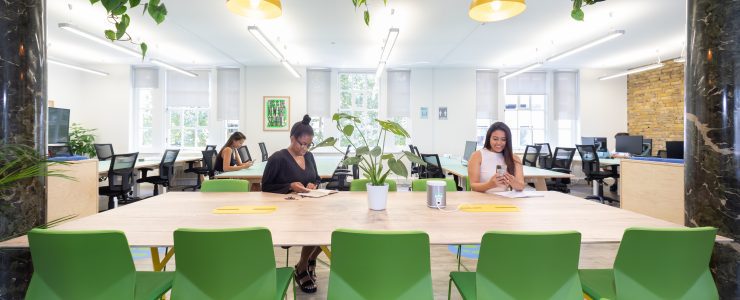

Eco-friendly coworking space: Sustainability in the modern workplace
The concept of coworking spaces has revolutionised the way people work. These flexible, shared environments foster collaboration, innovation, and community among freelancers, start-ups, and even large corporations.
As climate concerns continue to mount, a new trend has emerged within this movement: eco-friendly coworking spaces. These sustainable workplaces are transforming not just how we work, but how our workspaces impact the planet.
What makes coworking Space eco-friendly?
Eco-friendly coworking spaces prioritise environmental responsibility through conscious design, operations, and community practices. This can involve a range of initiatives, from using sustainable building materials and furniture to implementing energy-saving technologies and encouraging green commuting.
For example, many green coworking spaces make use of natural light and energy-efficient LED lighting to reduce electricity consumption. They may also incorporate solar panels, smart thermostats, and water-saving fixtures to further reduce their carbon footprint. Furniture is often upcycled, recycled, or made from sustainable sources such as bamboo or reclaimed wood.
Additionally, some spaces are located in repurposed buildings, reducing the need for new construction and preserving architectural heritage. This blend of sustainability and style not only helps the planet but creates a unique and inspiring environment for members.
Benefits for businesses and individuals
Choosing eco-friendly coworking space is more than a feel-good move—it offers tangible benefits for both individuals and businesses.
For professionals, working in a green space can improve health and wellbeing. Indoor plants, natural lighting, and improved air quality contribute to a more pleasant working environment. Studies have shown that sustainable design can enhance productivity and reduce stress, which is particularly important for freelancers and remote workers who may otherwise feel isolated.
For businesses, aligning with environmental values can boost brand image and attract like-minded clients and employees. Many companies are increasingly focused on Environmental, Social, and Governance (ESG) factors, and choosing a sustainable workspace supports these goals.
Coworking spaces also offer flexibility in terms of scale and duration. Start-ups and small businesses can access high-quality facilities without the environmental and financial costs of setting up their own offices. As hybrid and remote work models become the norm, green coworking spaces offer a smart, adaptable solution.
Green Practices in Action
Across the UK and globally, many coworking spaces are leading the charge towards sustainability. For instance, some implement zero-waste policies, encouraging members to recycle and compost. Others host sustainability workshops or offer perks such as discounts for cyclists or electric vehicle charging points.
Rainwater harvesting systems, rooftop gardens, and biodegradable cleaning products are also becoming standard in many eco-conscious workspaces. These efforts not only reduce the space’s environmental impact but inspire members to carry sustainable habits into their own lives and businesses.
Community involvement is another key component. Eco-friendly coworking spaces often partner with local environmental groups, promote green start-ups, and engage in initiatives like tree planting or beach clean-ups. This fosters a sense of shared purpose and social responsibility among members.
Challenges and Future Opportunities
While eco-friendly coworking spaces offer numerous advantages, they also face challenges. Initial investment in sustainable infrastructure can be high, and balancing green initiatives with affordability is a delicate task. However, as technology advances and environmental consciousness grows, these barriers are gradually being lowered.
Governments and councils are also increasingly offering incentives for sustainable buildings and green business practices, which can help coworking spaces offset costs. In the long term, investing in sustainability can lead to lower operating expenses and greater member retention, making it a wise business decision.
The future holds promising developments such as carbon-neutral buildings, smart energy systems, and even regenerative design, which aims to give more to the environment than it takes. As awareness and demand grow, eco-friendly coworking spaces are set to become the standard rather than the exception.
Final Thoughts
Eco-friendly coworking spaces represent a meaningful shift towards sustainability in the modern workplace. By embracing green design, technology, and community engagement, these spaces show that it is possible to work productively and responsibly. In a world where climate change is a pressing concern, choosing a sustainable coworking space is not just an option—it’s a step towards a better future.