

How design-driven coworking spaces inspire creativity
In the world of hybrid work and flexible business models, coworking spaces have become more than just shared offices — they’re hubs of innovation, collaboration, and inspiration.
Yet not all coworking environments are created equal. Increasingly, it’s design-driven coworking spaces that stand out: spaces that are carefully curated to spark creativity, encourage connection, and enhance wellbeing.
The power of design in the modern workspace
Design has a profound impact on how we think, feel, and work. From the moment someone steps into a coworking space, the atmosphere can either energise or overwhelm them. A well-designed environment provides balance — combining visual appeal with functionality to support different working styles and moods.
Design-driven coworking spaces embrace this philosophy wholeheartedly. They use thoughtful layouts, natural materials, strategic lighting, and meaningful details to create a sense of flow and inspiration. Every element — from the colour palette to the placement of furniture — is intentional. This attention to design doesn’t just look good; it shapes behaviour, enhances focus, and encourages creativity.
Inspiring through spatial diversity
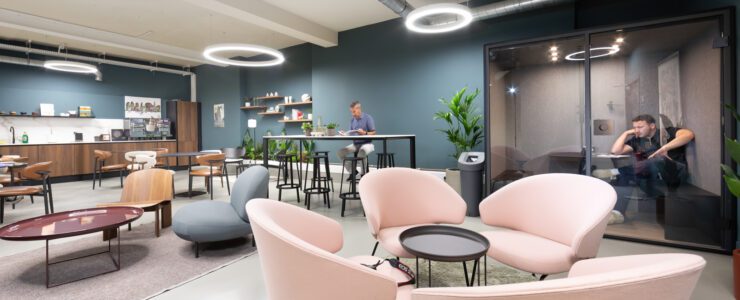
One of the defining features of design-driven coworking spaces is the diversity of zones they offer. Creativity thrives when people have the freedom to choose how and where they work. A mix of open collaborative areas, quiet nooks, private meeting pods, and social lounges allows individuals to adapt their environment to suit the task at hand.
For instance, brainstorming sessions might take place in a vibrant, open space filled with natural light and flexible furniture. Meanwhile, a designer refining a concept might prefer a calm corner surrounded by soft textures and acoustic panels to minimise distraction. This variety not only supports different work modes but also encourages serendipitous encounters — the kind that often lead to breakthrough ideas.
Natural elements and biophilic design
Bringing nature indoors is a key strategy for boosting creativity and wellbeing. Biophilic design — the integration of natural materials, greenery, and organic forms — has been shown to reduce stress and increase cognitive function. Design-driven coworking spaces often feature living walls, indoor plants, and earthy textures to help members feel connected to the natural world.
Natural light plays an equally vital role. Large windows, skylights, and open layouts allow light to flow freely, improving mood and productivity. The result is an uplifting, energising atmosphere that nurtures creative thinking.
Colour, texture, and mood
Colour psychology is another subtle yet powerful design tool. Warm tones can stimulate energy and sociability, while cool hues promote calm and concentration. Design-driven coworking environments often blend these strategically — using vibrant accent colours in collaborative areas and softer palettes in quiet zones.
Texture also contributes to the sensory richness of a space. A mix of tactile materials — from exposed brick and timber to soft upholstery and metal finishes — engages the senses and creates a dynamic visual narrative. This sensory diversity keeps the mind alert and imaginative.
Technology meets design
While aesthetics are essential, functionality remains at the heart of any successful coworking space. Technology integration — from seamless connectivity to adaptable furniture systems — ensures the environment supports modern work habits. Smart design anticipates needs: power outlets are discreetly positioned, meeting rooms are acoustically optimised, and flexible layouts can evolve as teams grow or projects shift.
Design-driven coworking spaces don’t treat technology as an afterthought; they weave it into the user experience so that creativity can flow uninterrupted.
Building community through design
Perhaps the most powerful aspect of design-driven coworking is its ability to cultivate community. Spaces that prioritise comfort, accessibility, and human connection foster a culture of collaboration. Shared kitchens, breakout areas, and event spaces are designed to bring people together organically, encouraging the exchange of ideas across industries.
Good design doesn’t just make a space beautiful — it makes it meaningful. By shaping how people interact, design drives a sense of belonging, which in turn inspires innovation and creative confidence.
A blueprint for the future of work
As businesses continue to embrace flexibility and creativity as core values, design-driven coworking spaces represent the future of the workplace. They demonstrate that when aesthetics and purpose align, people feel more inspired, more productive, and more connected.
Ultimately, great design doesn’t just influence creativity — it empowers it. In an age where ideas are the most valuable currency, investing in inspiring, design-led environments is no longer optional; it’s essential.