

The psychology of workspace design: Why coworking feels better
Coworking spaces are more than just shared offices — they’re designed experiences that make people feel better, think clearer, and work smarter.
The secret lies in psychology. From lighting and layout to community and nature, every design choice in a coworking environment taps into how humans function best.
Let’s explore why coworking feels better — and how the psychology of workspace design creates environments that nurture wellbeing, creativity, and productivity.
1. Designing for human connection
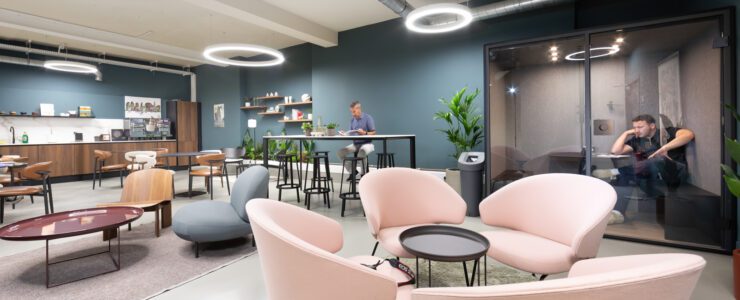
Humans thrive on social interaction and a sense of belonging. Coworking spaces are purpose-built to encourage connection through open layouts, shared lounges, and community events. These spaces replace the isolation of traditional offices with a culture of collaboration and mutual support.
Research in environmental psychology shows that when people feel connected at work, they’re more engaged, creative, and resilient. Coworking spaces balance this need for connection with quiet zones for focus — offering the best of both worlds: community and autonomy.
2. Environmental cues that shape behaviour
Every workspace sends subtle psychological messages through its design. Lighting, colour, and spatial layout can influence everything from energy levels to mood.
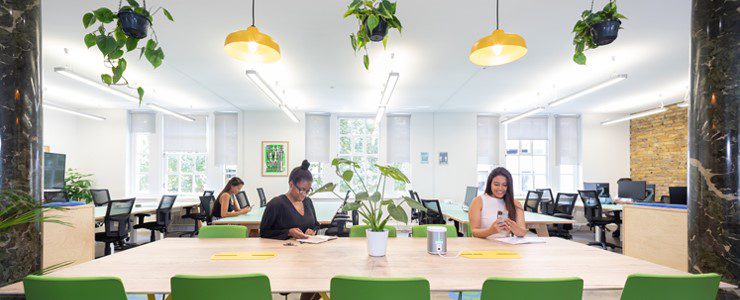
- Lighting: Natural light enhances alertness, boosts serotonin, and reduces fatigue. Coworking environments often maximise daylight with large windows and open sightlines.
- Colour: Warm tones like orange and yellow foster sociability and optimism, while cooler blues and greens calm the mind and improve concentration.
- Furniture: Ergonomic, adaptable furniture helps individuals feel comfortable and in control — a key factor in motivation and satisfaction.
By designing with intention, coworking operators create spaces that work with human psychology, not against it.
3. Nature and biophilic design
The concept of biophilia — our innate connection to nature — has become central to modern workspace design. Incorporating natural elements like plants, wood, and daylight not only beautifies a space but measurably reduces stress and improves cognitive function.
A coworking space with greenery, organic textures, and natural light doesn’t just look inviting — it feels restorative. Studies show that biophilic design can increase wellbeing and creativity by up to 15%. The result? Happier, healthier, more productive people.
4. The importance of sensory experience
Great workspace design engages all the senses. Coworking spaces that consider sound, scent, and texture provide a richer, more comfortable experience.
- Acoustics: Sound-absorbing materials and dedicated quiet zones help manage noise and support deep work.
- Scent: Subtle aromas such as citrus, peppermint, or lavender can enhance focus and mood.
- Texture and materials: Natural fabrics, soft furnishings, and tactile surfaces make spaces feel human and welcoming.
This holistic approach to sensory design helps people feel grounded and energised — key ingredients for sustained productivity.
5. Flexibility and psychological safety
Flexibility is the cornerstone of coworking. Members can choose how and where to work — from shared desks to private booths or casual lounges. This freedom supports autonomy, a major psychological driver of motivation.
Equally important is psychological safety — the feeling that it’s okay to share ideas, take risks, and be authentic. Many coworking communities actively nurture this through inclusive events and open communication, creating a culture where creativity flourishes naturally.
6. A holistic approach to wellbeing and productivity
When design meets psychology, the results are powerful. Coworking spaces succeed because they meet both functional and emotional needs — offering comfort, flexibility, connection, and inspiration.
In contrast to traditional offices, coworking environments are built around people, not policies. They prioritise wellbeing as a driver of performance — recognising that happy, healthy individuals do their best work.
More than just a place to work
The psychology of workspace design reveals a simple truth: when spaces feel good, people do better work.
Coworking spaces embody this principle, blending thoughtful design with human insight to create environments where ideas flow, collaboration thrives, and wellbeing comes naturally.
For businesses and professionals alike, investing in the right workspace isn’t just about aesthetics — it’s about unlocking human potential. That’s why coworking doesn’t just look better; it feels better, too.